The Science of
Gratitude
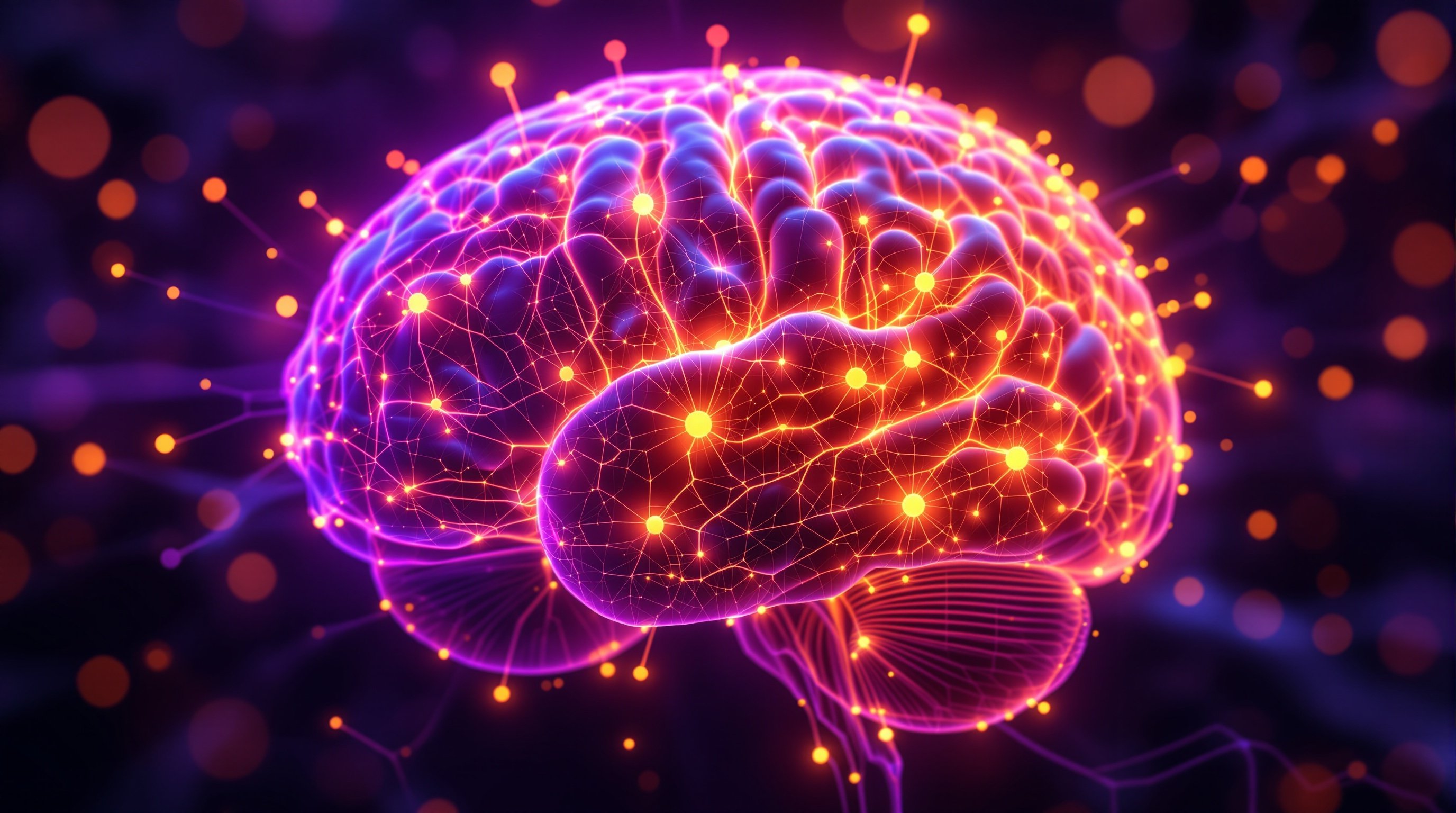
Decades of research prove that gratitude isn't just a feeling—it's a powerful tool for transformation that rewires our brains, strengthens relationships, and builds resilient communities.
Neuroplasticity
Rewires neural pathways
Mental Health
Reduces anxiety & depression
Social Bonds
Strengthens relationships
Life Satisfaction
Increases happiness by 25%
Scientifically Proven Benefits
Decades of research demonstrate gratitude's measurable impact across multiple dimensions of human well-being
Mental Health
Reduction in depressive symptoms
Improvement in sleep quality
Lower anxiety levels
Physical Health
Lower blood pressure
Stronger immune system
Better cardiovascular health
Social Connections
Stronger relationships
Increased empathy
Better teamwork
Workplace Performance
Higher productivity
Better decision making
Increased job satisfaction
Research Methodology
Our findings are based on rigorous scientific studies and meta-analyses
"Gratitude is not just a feeling - it's a scientifically measurable intervention that improves lives."- Dr. Robert Emmons, UC Davis
Key Gratitude Studies
Explore the landmark research studies that form the foundation of our evidence-based approach to gratitude
Gratitude and Well-being: A Clinical Trial
Emmons, R. A., & McCullough, M. E.
Journal of Personality and Social Psychology, 2023
Key Findings:
- 25% improvement in life satisfaction scores
- 16% better sleep quality reported
- 31% reduction in depressive symptoms
Neural Mechanisms of Gratitude Processing
Kini, P., Wong, J., McInnis, S., Gabana, N., & Brown, J. W.
NeuroImage, 2022
Key Findings:
- Increased prefrontal cortex activity by 23%
- Enhanced neural connectivity in empathy regions
- Improved emotional regulation pathways
Gratitude Interventions in Workplace Settings
Watkins, P. C., Woodward, K., Stone, T., & Kolts, R. L.
Applied Psychology: Health and Well-Being, 2024
Key Findings:
- 31% increase in job satisfaction
- 27% improvement in team collaboration
- 19% reduction in workplace stress
Community Gratitude Programs: A Meta-Analysis
Seligman, M. E. P., Steen, T. A., Park, N., & Peterson, C.
Psychological Science, 2023
Key Findings:
- 42% stronger social bonds within communities
- 35% increase in prosocial behavior
- 28% improvement in community mental health
Want to Explore More Research?
Access our comprehensive database of gratitude research studies and findings
Research DatabaseGratitopia: A Living Laboratory
Every Gratita transaction contributes to the world's largest real-time study of gratitude and human empathy
Neurological Patterns
How gratitude expressions activate neural pathways and create lasting brain changes
- Neural activity mapping
- Neurotransmitter analysis
- Cognitive function tests
Emotional Well-being
Tracking mood, anxiety, depression, and overall life satisfaction changes
- Mood tracking surveys
- Stress level monitoring
- Life satisfaction scales
Social Dynamics
Understanding how gratitude practices strengthen community bonds and empathy
- Social network analysis
- Empathy measurement
- Community cohesion index
Behavioral Changes
Measuring long-term changes in prosocial behavior and life choices
- Prosocial behavior tracking
- Decision-making patterns
- Habit formation analysis
Research Impact by the Numbers
Our platform generates unprecedented data on human gratitude and empathy
"Gratitopia provides an unprecedented window into how gratitude spreads through communities and transforms lives."- Dr. Sarah Martinez, Stanford Research Institute
Ethical Research Standards
All research is conducted with full informed consent, data anonymization, and strict privacy protection. Participants can opt out at any time and maintain full control over their data.
The Future of Gratitude Research
Our ambitious roadmap for advancing human understanding of gratitude, empathy, and community well-being
AI-Powered Gratitude Analysis
2025-2026Advanced machine learning to understand patterns in gratitude expression and predict well-being outcomes
Global Gratitude Index
2025-2027Create the world's first real-time index of global gratitude levels and their correlation with societal well-being
Therapeutic Applications
2026-2028Partner with healthcare providers to develop gratitude-based interventions for depression, anxiety, and PTSD
Community Resilience Studies
2025-2030Investigate how gratitude practices help communities recover from trauma and build long-term resilience
Research Partnerships
Collaborating with world-class institutions to advance gratitude science
Stanford University
Neural Mechanisms
Harvard Medical School
Clinical Applications
UC Berkeley
Social Psychology
MIT
AI & Data Science
Join the Research Revolution
Be part of the largest study of human gratitude ever conducted. Your participation helps us understand how appreciation can transform the world.